
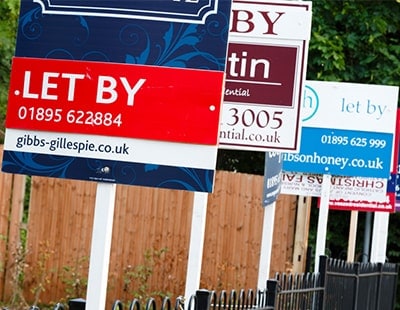
As we approach the 10th anniversary of the Brexit referendum, a new analysis looks at private rental sector changes since 2016.
During that time Britain’s private rented sector (PRS) has grown by an estimated 6.6% from 2.98m rental properties to 3.17m.
Regional variations
The overall increase in stock has been driven by England, where the number has risen by 10.1% or 240,000 homes.
In contrast, both Scotland and Wales have seen declines by 6.3% and 10.6% respectively.
Average rents and house prices rise
In 2015, the average monthly rent stood at £924. By 2025, this had reached £1,343 per month, an increase of 45.3%.
The average house price across Great Britain increased from £178,966 to £270,783, representing growth of 51.3%.
As a result, average rental yields have remained relatively stable despite substantial rental growth.
The average yield has changed from 6.2% to 6.0%.
Sim Sekhon of LegalforLandlords, which commissioned the analysis, says: “These figures paint a fascinating picture of how Britain’s rental market has evolved over the last decade.
“The result is a sector that has demonstrated resilience through a period of significant regulatory change, tax reform, economic uncertainty, and shifting tenant expectations.
“As policymakers continue to consider reforms to the private rented sector, maintaining a healthy balance between tenant protections and investment incentives will be essential if rental supply is to keep pace with demand in the years ahead.”
This article is taken from Landlord Today